
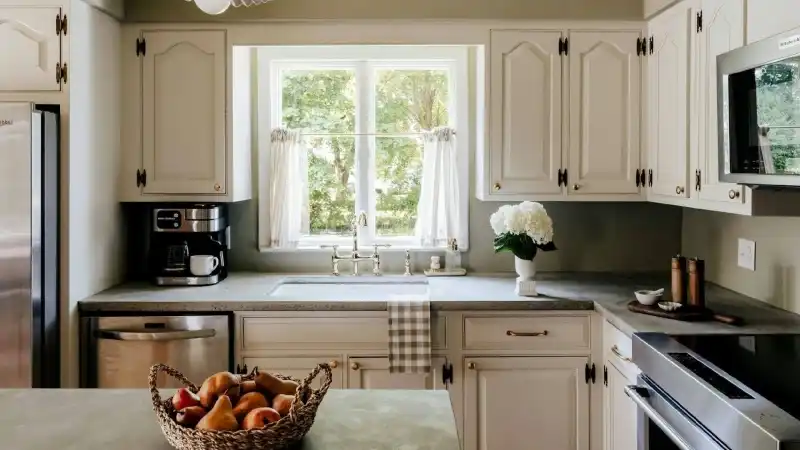
You may be excited for the summer, as it’s finally the perfect season for sipping a light drink on your porch and cooking delicious salads, but you must pay attention to how the climate can affect your house, especially your kitchen. Given that temperatures are constantly rising, and cooking will still include using the stove, you might unknowingly contribute to the humidity in the kitchen.
Depending on where you live, the levels of humidity in the summer might already be unbearable, but when you have to cook for longer in the kitchen, not only will you wish you’d just eat out, but you will also notice in time that your kitchen units will change. That, along with many other effects of the scorching weather, is why you must do some additional tasks before this season starts in full power, so let’s get into it.
Inspect the kitchen first
When you inspect the kitchen, you can identify potential issues that might worsen if humidity and high temperatures contribute to them. For example, start by verifying the kitchen units and see if there are already signs of the wood expanding and shrinking, which is visible if the cabinet starts to crack or warp and especially on bright colours like in pink kitchens. Besides the cabinets, you will notice a musty or stale odour in the kitchen due to long-term humidity, and there will be condensation on windows and walls. So, do some repairs before temperatures start to rise to ensure you’re maintaining the kitchen furniture in good condition, besides protecting the entire room from further troubles.
Check humidity levels
Humidity can become your biggest enemy if you can’t contain it. You can check it with a digital thermometer-hygrometer and see if it’s more than 40%, which is the limit after which your cabinets can sustain the conditions. Ideally, when temperatures are above 20 degrees, humidity should be at a maximum of 35, so how do you manage it? Air conditioning is ideal, but without it, you can invest in a dehumidifier, which will keep your unit’s wood in good shape.
Look for water leaks
If you’re implementing all the tips in the world but still the kitchen is humid, maybe there’s water damage or leaks somewhere that contribute to it. Check the sink, dishwasher, fridge, or even the ice maker for water damage or mould, but you can also determine leaks from the cabinets as well, when there are soft spots or discoloration in certain places. It’s best to repair these issues as soon as possible to prevent long-term damage that can reach the cabinets and floors, and if they’re made of MDF or laminate, the damage is faster to settle.
Improve air circulation
The humidity levels can affect more than the furniture: they can impact the pantry. If your pantry space is closed, the high levels of humidity can lead to growing mould and spoilage, along with a lower quality in the products. So, you must try to improve air circulation by either opting for open pantry shelving or reorganising it to avoid clutter. It would also be best to seal the storage area from the kitchen’s humidity, or you could look into a climate control system to install in the pantry if it’s the size of a room.
Do a thorough cleaning
Frequent cleaning sessions will refresh the kitchen and allow you to maintain control over the situation. That’s because clutter and humidity can attract pests in the kitchen, as cockroaches, silverfish, or earwigs love moisture and food from the pantry that’s gone bad. So, once a month or at least every other week, check the pantry’s products and throw away any expired ones, store others in closed plastic containers instead of leaving them in their original packaging, and vacuum the cabinets to prevent any crumbs from attracting insects.
Cool down the kitchen
You can try to control the temperature and humidity in the kitchen by knowing when to open and close the windows. If you are a morning person, remember to open the windows in the kitchen as soon as you enter the room to let some fresh and cool air in, and this tip is efficient for every other room in the house. But remember to close it when temperatures start to rise, usually between 10 AM and 5PM, when the hot air can enter the kitchen and contribute to the humidity and discomfort.
Introduce window treatments
Knowing when to open and close the windows is useful, but if they’re exposed to direct sunlight during the day, you might still feel like the kitchen is way too hot. Luckily, you can experiment with window treatments to make the kitchen shady, so look for curtains and blinds as a budget option, but if you can extend the budget and want a long-term solution, cellular shades, solar roller shades, and blackout thermal curtains are great for UV protection, privacy, and are also energy-saving.
Try another cooking strategy
Of course, using the oven less frequently during the summer is also helpful in managing humidity and not staving off the sweltering. So, you might want to try some new dishes this summer that require no heat, such as salads with precooked or canned ingredients, such as a simple chickpea salad with vegetables, zucchini noodles with a simple sauce, or some avocado toast that includes whatever you’ve got in the fridge. There are also many recipes for baking delicious recipes without the oven, such as cheesecakes, peanut butter bars, or puddings. This summer, maybe you will try some delicious frozen drink recipes when you’ve got guests.
Final considerations
With the summer finality settling, we can’t wait for the next vacation or the increasing time spent outdoors with friends. However, before we leave the house to have fun, checking its condition is essential, so look into the rooms with the most potential for trouble, which is the kitchen. If there are high levels of humidity in the kitchen, you might encounter problems like furniture tear, mould, or even unwelcomed pests, so try to manage humidity and keep the kitchen cool and dry with the tips we covered.