
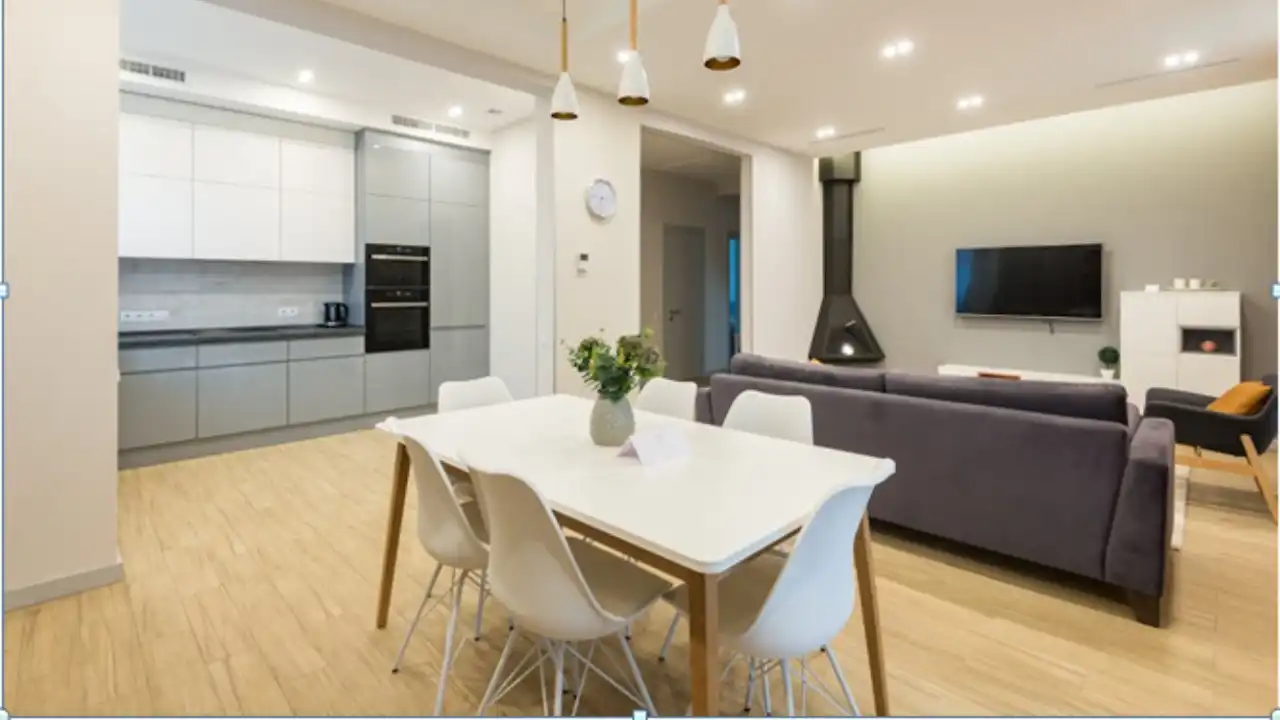
Small apartments are no longer seen as a limitation. In fact, they’ve become a creative playground for designers and homeowners alike. With urban living on the rise, maximizing every square meter while maintaining style is now a top priority. The latest interior design trends reflect this shift, blending functionality with aesthetics in smart, refined ways.
Whether you’re an interior designer working on compact layouts or a homeowner looking to upgrade your space, understanding how to balance practicality and visual appeal is key. Let’s explore the most relevant ideas shaping small apartment living today.
1. Multi-Functional Furniture Takes Center Stage
In small apartments, every piece of furniture needs to work harder. Multi-functional designs are no longer optional, they’re essential.
Think sofa beds that look like statement pieces during the day, or dining tables that fold into the wall when not in use. Storage ottomans, extendable desks, and modular shelving systems are all gaining popularity. These pieces reduce clutter and make the space adaptable for different activities.
For designers, the focus is shifting toward custom-built solutions tailored to the layout. For homeowners, investing in versatile furniture means fewer compromises in daily living.
2. Vertical Space Is the New Frontier
When floor space is limited, the only way to go is up. One of the most practical interior design trends today is the use of vertical space.
Tall cabinets, floor-to-ceiling shelving, and vertical wall panels not only provide additional storage but also draw the eye upward, making the apartment feel larger. In kitchens, stacking cabinets to the ceiling eliminates wasted gaps. In living areas, vertical storage keeps essentials accessible without crowding the room.
This approach aligns perfectly with modern interior design principles, where clean lines and efficient use of space define the overall aesthetic.
3. Open-Concept Layouts with Subtle Zoning
Open layouts continue to dominate, especially in small apartments. However, the challenge lies in defining different functional zones without using walls.
Designers are turning to subtle zoning techniques:
- Area rugs to distinguish living and dining spaces
- Open shelving units as room dividers
- Lighting variations to create separate moods
- Sliding glass partitions for flexibility
These solutions maintain openness while still giving each area its own identity. The result is a cohesive yet functional living environment.
4. Light Color Palettes with Strategic Contrast
Color plays a critical role in shaping perception. Light tones such as soft whites, warm beiges, and pale greys remain dominant because they reflect light and create a sense of openness.
However, newer interior design trends introduce contrast in a more controlled way. Instead of bold, overwhelming colors, designers are adding depth through:
- Dark cabinetry paired with light walls
- Accent furniture in muted tones
- Textured finishes like wood grain or matte metal
This balance prevents the space from feeling flat while still maintaining an airy atmosphere.
5. Built-In Storage for a Seamless Look
Clutter is the biggest enemy of small spaces. Built-in storage solutions are becoming a staple in small apartment design.
Custom wardrobes, under-bed storage, and integrated kitchen cabinetry help maintain a clean and streamlined look. Hidden compartments and push-to-open mechanisms eliminate visual noise, which is essential in compact interiors.
This is where turnkey solutions become especially valuable. Instead of piecing together different elements, a cohesive system ensures consistency in both function and design.
6. Minimalism with Personality
Minimalism continues to influence small apartment design, but it has evolved. Today’s approach is less about removing everything and more about choosing the right elements.
Instead of empty spaces, we see curated interiors:
- A few statement pieces instead of many small decorations
- Artwork that reflects personal taste
- Functional décor such as designer lighting or sculptural furniture
This refined style aligns with 2026 interior design trends, where individuality is expressed through thoughtful selection rather than excess.
7. Smart Technology Integration
Technology is quietly transforming how small apartments function. Smart home systems are no longer luxury additions, they’re practical tools for optimizing space.
Examples include:
- Voice-controlled lighting and appliances
- Smart storage solutions with automated features
- Compact kitchen systems with integrated technology
For designers, integrating tech seamlessly into the design is crucial. For homeowners, it enhances convenience without taking up additional space.
8. Mirrors and Reflective Surfaces
Mirrors remain one of the simplest yet most effective ways to make a small apartment feel larger. Strategically placed mirrors reflect natural light and create the illusion of depth.
In addition to traditional mirrors, reflective materials such as glass, polished metals, and glossy finishes are being used in furniture and cabinetry. These elements amplify light and contribute to a more open feel.
9. Compact Yet Luxurious Kitchens
Kitchens in small apartments are becoming more efficient without sacrificing style. The focus is on maximizing storage and functionality within a compact footprint.
Key features include:
- Pull-out pantry systems
- Corner storage solutions
- Integrated appliances
- Slim-profile cabinetry
Designers are also incorporating high-quality finishes to elevate the look. Even in a small kitchen, details like handle-less cabinets and premium materials can create a sophisticated result.
10. Flexible Living Spaces
Flexibility is one of the defining characteristics of modern small apartment design. Spaces are no longer fixed in their purpose.
A living room can become a workspace during the day. A bedroom can double as a study area. Foldable furniture, movable partitions, and modular layouts make this possible.
This adaptability is especially important as more people work from home. It allows homeowners to maintain productivity without sacrificing comfort.
Conclusion: Designing Smart, Living Better
Small apartments demand thoughtful design, but they also offer an opportunity to be more intentional. The latest interior design trends focus on efficiency, flexibility, and understated elegance.
By combining smart storage, multi-functional furniture, and cohesive aesthetics, both designers and homeowners can create spaces that feel larger, more organized, and visually appealing.
If you’re planning a residential project and want a seamless experience from concept to completion, OPPOLIA offers turnkey whole-house solutions, from kitchen cabinets to interior doors. With exports to over 100 countries and more than 10,000 completed projects, OPPOLIA provides a reliable, one-stop solutions for modern living. Learn more about OPPOLIA’s offerings and contact their team today for a free quote.