
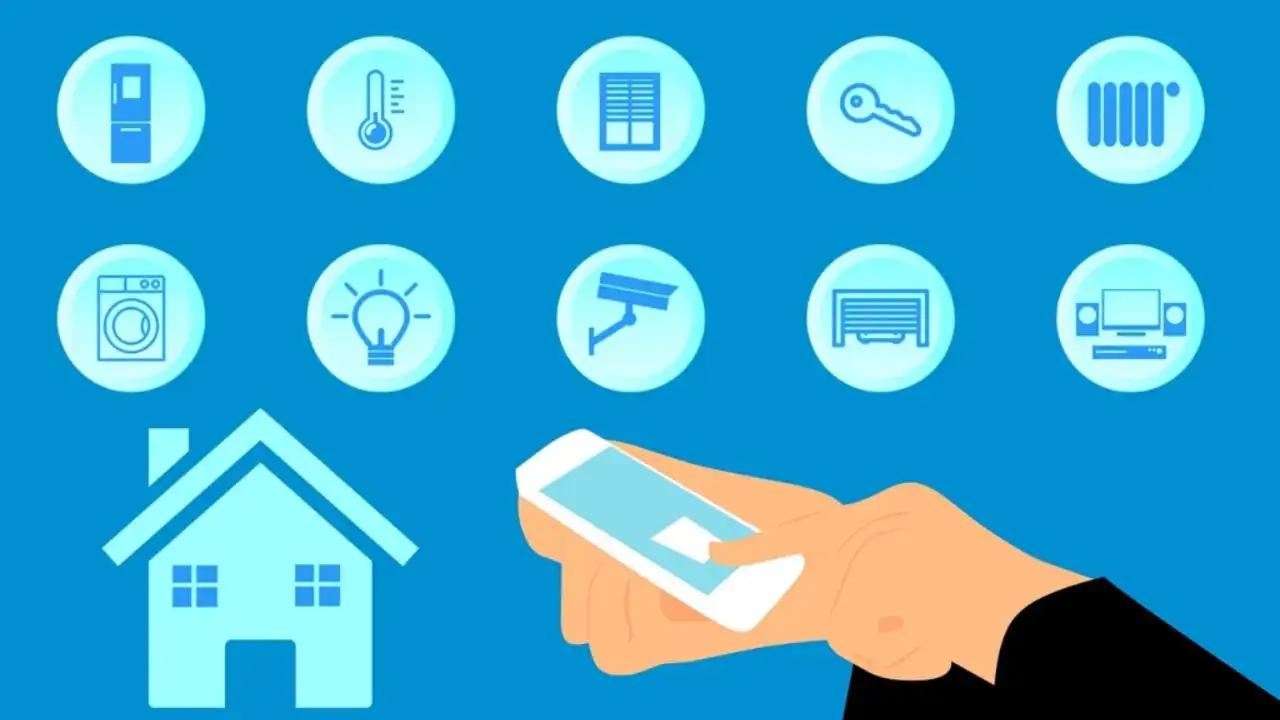
Homes are changing fast. Smarter, greener, and honestly more livable than most people give them credit for. Combining smart technology with sustainable design has moved well past the “early adopter” phase,it’s now a legitimate strategy that trims utility bills, curbs waste, and improves day-to-day comfort in ways you’ll actually notice.
Whether you’re building from scratch or retrofitting a place that’s been around since the nineties, the right upgrades deliver measurable results without gutting your budget or ripping out walls. Here’s where to focus your attention right now.
Smart Energy Efficiency Upgrades
Energy is where most households quietly bleed money,and most of the bleeding is preventable. Smart technology identifies exactly where the waste is happening and gives you the tools to stop it.
Here’s a stat that surprises most people: standby power draws from always-on devices account for 5–10% of residential electricity use. That’s not a rounding error. That’s real money, every month, for devices sitting idle.
For remote workers and frequent travelers, having reliable esim internet means you stay connected to your home dashboards without paying roaming charges,letting you monitor and adjust your systems from literally anywhere in the world.
Smart Thermostats and Zoned Controls
Few upgrades punch above their weight quite like a smart thermostat. Geofencing, occupancy detection, learning algorithms,these features work together to adjust heating and cooling without you lifting a finger.
The payoff? ENERGY STAR reports average savings of roughly 8% on heating and cooling bills,around $50 per year. On a device that typically runs under $200, that’s a solid return. Factor in utility rebates, and the math gets even better.
Add smart vents to the equation, and you gain zone-level control. Bedrooms cool down at night. Common areas stay comfortable during the day. No waste, no compromise.
Intelligent Lighting and Power Management
Smart LED lighting paired with occupancy sensors and scheduling doesn’t just shave a few percentage points off your bill,it can reduce lighting energy use by 35–70%. That’s a substantial cut worth taking seriously.
Smart plugs and power strips address phantom loads from TVs, chargers, and small appliances. Pair those with a whole-home energy monitor and you’ll quickly discover which devices have been quietly inflating your bill for years.
Renewable Energy Integration
Solar panels become significantly more powerful when connected to a smart energy management system. Home batteries like the Tesla Powerwall store excess daytime generation for evening use, pushing self-consumption up and grid dependence down. It’s one of those combinations where the whole genuinely outperforms the sum of its parts.
Smart Water and Climate Solutions
Once your energy systems are dialed in, water is the next logical frontier.
Smart Irrigation and Leak Prevention
Eco-friendly home automation extends naturally outdoors. Smart irrigation controllers sync with local weather data and soil moisture sensors, watering only when conditions actually call for it,not on a rigid schedule set two seasons ago.
Replacing a standard clock-based controller with a WaterSense-labeled irrigation controller can save an average home up to 15,000 gallons of water annually. If you’re in a drought-prone region, that number is worth sitting with for a moment.
Smart leak detectors round out your protection. They flag pipe leaks and appliance drips early,before minor issues become expensive emergencies.
Advanced Water Fixtures
Smart showerheads track real-time water usage and push consumption data to connected apps. Low-flow fixtures combined with smart cisterns and green roofs create integrated retention systems that cut both usage and stormwater runoff at the same time. Functional and genuinely elegant.
Indoor Environment and Sustainable Materials
Energy and water efficiency matter enormously. But a truly sustainable home also has to support the people living inside it.
Smart Air and Comfort Monitoring
Most people don’t monitor indoor air quality until something’s already wrong. Smart sensors tracking CO₂, humidity, VOC levels, and particulate matter give you real, actionable data,not vague impressions about whether the air feels “stuffy.”
Connect those sensors to your HVAC controls, and the system adjusts ventilation automatically. You get healthy air without unnecessary energy waste from over-ventilating. It’s the kind of quiet efficiency you forget about until you notice your bills dropping.
Eco-Materials and Smart Surfaces
Smart systems perform best when the physical structure underneath them is already working in your favor. Low-VOC paints, bamboo flooring, and triple-pane windows establish a strong energy-efficient baseline. Smart technology then optimizes what’s already been improved.
Automated blinds that respond to sun angle and temperature are a surprisingly effective pairing of material and digital control. Simple concept, real impact.
Next-Gen Automation, AI, and Green IoT
Sensors and eco-materials each contribute independently. AI is what ties everything together.
Hybrid Knowledge-Based and AI Systems
Modern automation platforms combine rule-based logic with machine learning in ways that are genuinely impressive now.
These systems learn your household patterns, apply predictive scheduling, and explain their decisions in plain language. They also address something earlier smart home systems struggled with: “automation drift,” where routines set months ago no longer match how you actually live.
LLM-Powered Automation for Sustainable Routines
Large language model tools now let you describe your sustainability goals conversationally,say, “reduce energy use on weekdays when no one’s home”,and have the system build the automation routines for you. That’s a significant barrier removed for people who found earlier smart home platforms technically frustrating.
Green IoT and Sensor Networks
Mesh sensor networks, EV charging schedulers, and energy-harvesting IoT devices create a home that tracks its own environmental footprint continuously and without much intervention from you. Some sensors now draw power from ambient light or vibration,zero batteries, zero maintenance overhead. That’s the direction this technology is heading.
Seamless Integration and Real Financial Returns
Every one of these technologies delivers its greatest value when the systems communicate with each other.
Whole-Home Ecosystems and Retrofit Paths
Platforms like SmartThings, Hubitat, and Google Home (Matter-compatible) unify devices from multiple manufacturers into one manageable interface. Retrofit smart modules allow older homes to gain automation capability without rewiring. It’s a practical path, not just a theoretical one.
ROI, Rebates, and Behavioral Adoption
Homes with smart upgrades typically appraise 1–3% higher than comparable properties. Insurance premiums can decrease when leak detectors and smart locks are installed. Utility rebates frequently cover a meaningful share of smart thermostat and irrigation controller costs upfront.
| Upgrade | Est. Annual Savings | Payback Period |
| Smart Thermostat | $50+ | 1–3 years |
| Smart Irrigation | Varies (water bills) | 2–4 years |
| Smart LED + Sensors | 35–70% lighting cost | Under 2 years |
| Solar + Battery | Varies by system | 6–10 years |
| Smart Plugs/Strips | $50–$150 | Under 1 year |
Frequently Asked Questions
What are the latest trends in smart home technology?
Current leaders include smart integration platforms, voice control, AI-driven automation, energy efficiency tech, health and wellness monitoring, and 5G-enabled devices. Privacy-first, local-processing systems are gaining ground fast as data security becomes a bigger priority for consumers.
How can technology be used in a sustainable way?
Power down devices when not in use, switch to energy-efficient models, use rechargeable batteries, recycle old electronics, install smart power strips, and buy refurbished gear when possible. Small consistent habits compound into significant resource savings over time.
Does smart home tech really reduce carbon footprint?
Yes, and meaningfully so. Smart thermostats, lighting controls, and irrigation systems collectively cut energy and water consumption. Combined with solar panels and home batteries, reduced grid dependence translates directly into lower household carbon emissions.
Building a Greener Home, One Smart Upgrade at a Time
You don’t need to overhaul everything at once. Starting with a smart thermostat and a few smart plugs can produce noticeable results within your first billing cycle. Add smart irrigation after that. Then build toward a fully integrated ecosystem at whatever pace makes sense for your home and budget.
The technology available right now makes sustainable living more accessible than it’s ever been,and the financial case for moving forward is stronger than most homeowners expect. Start somewhere. The momentum builds from there.