
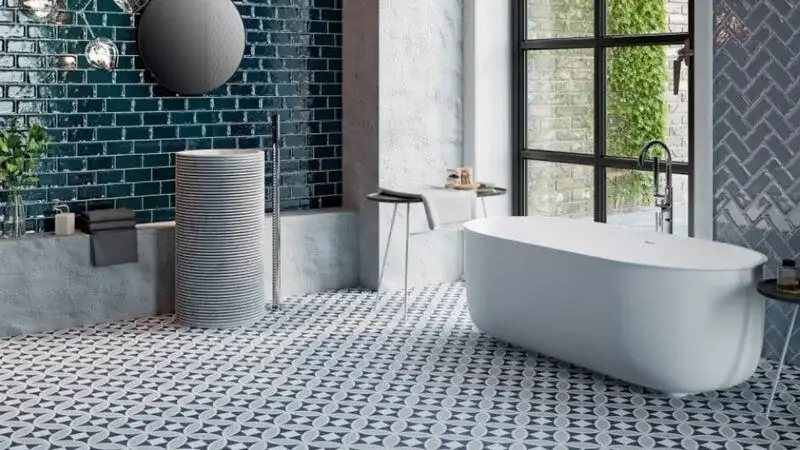
Tiling defines the atmosphere of a bathroom more than paint or fixtures ever can. Whether you are updating a compact Victorian ensuite or planning a wet room conversion, picking the right surfaces shapes how spacious, light, and easy to clean the room feels. Finding inspiring tiles bathroom ideas means balancing personal style with real-world practicality, like slip resistance and maintenance.
Combining contemporary trends with timeless layouts gives you a space that feels fresh without going out of date in a few years. Here is a practical breakdown of modern and classic tiling approaches, materials, and layout tricks to help you plan your ideal bathroom redesign.
Classic Tiling Ideas That Never Go Out of Style
Traditional tile styles have survived decades of design changes for a reason. They offer reliable symmetry, clean lines, and work effortlessly in Victorian, Edwardian, and modern homes alike.
Metro and Subway Tiles with a Twist
Standard white metro tiles stacked in a traditional brick bond remain a budget-friendly favorite across British homes. However, you can elevate this classic look by altering the layout or grout color:
-
Vertical Stacking: Laying rectangular tiles vertically draws the eye upward, making low ceilings in smaller bathrooms feel noticeably taller.
-
Herringbone Pattern: Arranging metro tiles at a 45-degree or 90-degree angle creates dynamic movement across splashbacks and shower enclosures.
-
Contrasting Grout: Pairing white tiles with mid-grey or charcoal grout highlights the tile pattern while hiding everyday water marks and soap scum better than bright white grout.
Victorian Encaustic and Geometric Patterns
Period-inspired pattern tiles bring character to floor spaces, particularly in cloakrooms and family bathrooms. Intricate geometric patterns in muted shades of sage, navy, slate, and terracotta create a focal point without cluttering small rooms.
If you choose genuine encaustic cement tiles, keep in mind they require sealing before and after grouting to prevent staining. Porcelain alternatives offer the same vintage look with zero sealing requirements and better moisture resistance.
Marble and Marble-Effect Porcelain
Carrara and Calacatta marble bring an undeniable elegance to walls and floors. Natural marble is porous and prone to etching from acidic cleaners or bath salts. Porcelain tiles featuring realistic digital marble veining deliver the same aesthetic appeal with far greater durability, stain resistance, and compatibility with electric underfloor heating systems.
Modern Tiling Trends for Contemporary Bathrooms
Modern bathroom concepts focus on texture, larger dimensions, and minimal grout lines to create uncluttered, spa-like spaces.
Large-Format Slab Tiles
Tiles measuring 60×60 cm, 60×120 cm, or larger are increasingly popular in contemporary British wet rooms. Fewer joints mean less grout to scrub, creating a seamless visual flow across floors and walls.
-
Best Application: Walk-in showers and open wet room layouts.
-
Practical Tip: Large format porcelain requires a completely flat, rigid substrate. Ensure your tiler uses tile backer boards (such as cement boards) rather than tiling directly onto plasterboard or timber plywood.
Fluted and Textured Feature Walls
Tactile surfaces introduce subtle depth without relying on loud colors or heavy patterns. Fluted, 3D-ribbed, and finger tiles catch directional light from vanity mirrors or recessed spotlights, adding warmth to neutral color schemes.
Use textured tiles selectively on a single accent wall, such as behind the vanity unit or inside a shower niche, to keep cleaning manageable.
Terrazzo and Speckled Finishes
Terrazzo blends flecks of marble, quartz, granite, and glass set in cement or resin. Modern porcelain terrazzo tiles capture this playfulness while providing high slip resistance and water repellency on floors. They pair exceptionally well with matte black or brushed brass brassware.
Tile Materials: Comparing Your Options
Selecting the right tile body material impacts installation difficulty, maintenance routines, and long-term durability.
Practical Considerations for Small UK Bathrooms
Most UK bathrooms measure around 2×2 metres, meaning layout efficiency matters. Clever tile choices can transform a cramped room into an airy sanctuary.
Match Wall and Floor Tiling
Using the same tile on both the floor and walls removes visual breaks, tricking the eye into perceiving a larger space. Light stone-effect porcelain works particularly well for this technique.
Pay Attention to Anti-Slip R-Ratings
Floor safety matters just as much as appearance, especially when stepping out of the shower with wet feet. Always check the slip resistance rating (R-rating) for floor tiles:
-
R9: Suitable for general dry wall and light residential floor areas.
-
R10: Ideal for standard bathroom floors and cloakrooms.
-
R11 or Higher: Essential for wet room floors and level-access walk-in showers where water pools directly on the surface.
Plan Tile Cuts Around Fixtures
Poor layout planning leads to awkward, thin tile slivers around bath edges, windowsills, and toilet pans. Work out your central datum line with your installer before applying adhesive, ensuring symmetrical cuts on both sides of the room.
Mistakes to Avoid During Your Tiling Project
-
Forgetting Floor Priming and Tanking: Tiling directly onto untreated timber or green plasterboard in wet zones leads to water ingress, tile lifting, and structural rot over time. Always install a liquid tanking kit or waterproof membrane around shower zones.
-
Choosing the Wrong Grout Type: Standard cementitious grout works for most areas, but epoxy grout is far superior inside shower enclosures because it is non-porous, stain-resistant, and prevents mould buildup.
-
Skimping on Underfloor Heating Insulation: Installing electric wire heating mats without insulated tile backer boards underneath wastes heat energy by letting warmth sink into the subfloor instead of rising into the room.
Conclusion
Upgrading your space with thoughtful tiles bathroom ideas comes down to picking materials that match your lifestyle and maintenance expectations. Whether you prefer the quiet elegance of metro brick patterns or the clean lines of large-format porcelain slabs, focus on proper waterproofing, correct slip ratings, and precise layout planning. Taking these practical steps ensures your new bathroom stays stylish, functional, and watertight for years to come.