
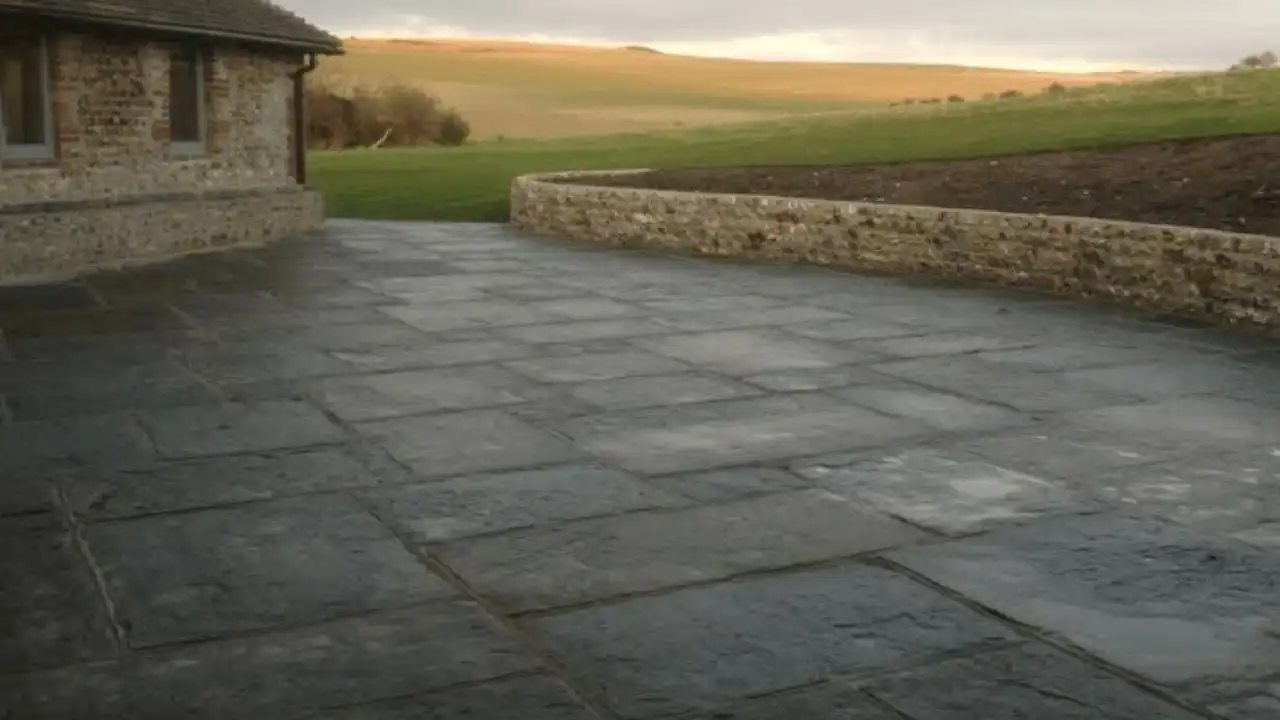
Few paving materials feel as naturally connected to the British landscape as Yorkstone. From Georgian courtyards and Victorian terraces to contemporary country gardens, its textured surface and muted colour palette have shaped outdoor spaces for centuries. Unlike manufactured materials that often chase trends, Yorkstone develops character slowly, responding to weather, foot traffic, moss, rainfall, and time itself.
For homeowners, architects, and garden designers, the attraction goes beyond appearance. Yorkstone carries a sense of permanence and craftsmanship that suits the UK’s architectural heritage particularly well. Whether used for patios, pathways, retaining walls, or expansive entertaining spaces, it offers a balance of practicality and understated elegance that few materials can replicate.
As more people invest in thoughtful outdoor living spaces, interest has also grown in reclaimed materials and sustainable landscaping approaches. Yorkstone sits comfortably within that movement because it rewards long-term thinking. A properly designed stone terrace or pathway rarely looks tired after a few years; in many cases, it looks better.
Why Yorkstone Has Remained a British Favourite
A Material Rooted in Heritage
For generations, Yorkstone has been used across towns, villages, estates, and civic spaces throughout Britain. Its durability made it ideal for heavily used streets and courtyards, while its natural beauty suited grand homes and formal gardens alike.
Unlike paving that aims for uniformity, Yorkstone embraces variation. Fossil markings, tonal shifts, riven textures, and weathering patterns all contribute to its individuality. This organic appearance allows it to sit naturally alongside period architecture, cottage gardens, and mature planting schemes.
Designed to Age Gracefully
One reason homeowners continue choosing natural stone is its ability to mature attractively. Rain softens edges, lichens settle into textured surfaces, and subtle colour changes emerge over time. Rather than deteriorating visually, Yorkstone develops depth and richness.
This quality is particularly valuable in the UK climate, where outdoor materials are exposed to frequent moisture, frost cycles, and changing seasons. Yorkstone’s resilience means it can withstand these conditions while retaining its structural integrity and visual appeal.
Flexibility Across Garden Styles
Yorkstone works equally well in traditional and contemporary landscapes. In formal settings, large rectangular flags create clean architectural lines. In more relaxed gardens, mixed slab sizes and irregular layouts produce a softer, time-worn appearance.
Designers often pair the stone with gravel, brick, timber, and planted borders to create layered outdoor spaces that feel connected to their surroundings rather than imposed upon them.
The Value of Reclaimed Stone in Outdoor Spaces
Character That Cannot Be Replicated
One of the strongest arguments for using Reclaimed Yorkstone Paving is the character developed through decades, and sometimes centuries, of natural weathering. Reclaimed stone often carries subtle patina, worn edges, and tonal complexity that newly quarried materials take years to acquire.
For restoration projects or period properties, this authenticity matters enormously. New landscaping can sometimes feel disconnected from an older building, whereas reclaimed materials create continuity between architecture and garden design.
Sustainability Through Reuse
Reusing existing materials aligns naturally with sustainable building practices. Rather than extracting and processing entirely new stone, reclaimed paving gives historic materials a second life while preserving the craftsmanship embedded within them.
This approach also appeals to homeowners seeking gardens with environmental sensitivity and lower material waste. In an era increasingly focused on longevity rather than disposability, reclaimed stone represents thoughtful design rather than trend-led consumption.
Ideal for Period Property Renovations
Historic homes often benefit from paving that feels established rather than freshly installed. Reclaimed Yorkstone complements older brickwork, lime mortar walls, mature planting, and heritage detailing exceptionally well.
Whether restoring a farmhouse courtyard, redesigning a townhouse terrace, or improving a listed property’s pathways, reclaimed materials help maintain architectural coherence.
Designing an Outdoor Space That Feels Timeless
Prioritise Layout Before Materials
Even the finest stone cannot compensate for poor spatial planning. Successful garden design begins with movement, proportion, and function. Paths should feel intuitive, patios should relate naturally to the house, and transitions between spaces should feel gradual rather than abrupt.
Large paved areas benefit from softened edges through planting beds, low walls, or integrated greenery. This prevents stone from appearing harsh or overly formal.
Consider Drainage Carefully
The British climate makes drainage an essential part of any paving project. Standing water not only affects usability but can also influence the longevity of surrounding landscaping features.
Carefully prepared sub-bases, gentle gradients, and permeable design principles help ensure outdoor areas remain functional throughout the year.
Blend Stone With Planting
Natural stone works best when balanced with texture and planting. Lavender, ornamental grasses, climbing roses, hydrangeas, and evergreen shrubs all pair beautifully with Yorkstone’s earthy tones.
Garden designers often use planting to soften paving edges and create seasonal variation. This contrast between structured stone and evolving greenery creates visual balance.
Think About Scale and Proportion
The size of paving slabs influences the atmosphere of a garden. Larger flags create calm, open spaces suited to entertaining areas, while smaller stones can make pathways feel intimate and traditional.
Scale should also relate to the surrounding architecture. A compact urban courtyard requires different proportions from a sprawling country garden.
Craftsmanship Matters as Much as the Stone
Installation Shapes the Final Result
High-quality materials deserve equally thoughtful installation. Uneven levels, poorly aligned joints, or rushed preparation can undermine the visual impact of even the finest paving.
Experienced landscapers understand how to work with natural variation in stone while achieving balanced layouts that feel intentional rather than mechanical.
Jointing and Finishing Details
The details surrounding paving often determine whether a project feels refined. Joint widths, edging treatments, drainage channels, and transitions between surfaces all contribute to the overall appearance.
Traditional pointing methods frequently complement period settings, while cleaner joint lines may suit more contemporary landscapes.
Long-Term Maintenance Is Relatively Simple
Yorkstone generally requires modest maintenance when installed correctly. Occasional cleaning, responsible weed control, and sensible drainage management are usually sufficient to preserve its appearance.
Importantly, natural wear rarely detracts from the material. Small marks and gradual weathering tend to enhance its character rather than diminish it.
Why Natural Materials Continue to Influence Garden Trends
A Shift Towards Authenticity
Modern garden design increasingly values materials that feel authentic, tactile, and enduring. Homeowners are often drawn to landscapes that appear connected to local architecture and natural surroundings rather than highly manufactured.
Yorkstone aligns naturally with this preference because it carries geological and historical depth that synthetic materials struggle to imitate.
Outdoor Spaces as Extensions of the Home
Gardens are no longer viewed simply as decorative additions. Patios, courtyards, and terraces now function as outdoor dining rooms, entertaining areas, and quiet retreats.
Natural stone helps create these transitions elegantly because it introduces texture and permanence without feeling overly polished or artificial.
Investing in Longevity
Well-designed stone landscaping can remain attractive for decades. Rather than chasing rapidly changing trends, many homeowners now prioritise craftsmanship, durability, and materials that mature gracefully.
This long-term perspective often leads people towards natural paving choices that reward patience and proper installation.
Conclusion
British gardens have always reflected a balance between architecture, landscape, and craftsmanship. Yorkstone remains one of the few materials capable of connecting all three with quiet confidence. Its texture, durability, and ability to age beautifully make it especially suited to the UK’s climate and design traditions.
Whether incorporated into a contemporary entertaining space, a restored courtyard, or a winding garden path, natural stone introduces a sense of permanence that manufactured materials rarely achieve. For homeowners who value authenticity, provenance, and thoughtful design, Reclaimed Yorkstone Paving continues to offer lasting appeal — not simply as a paving choice, but as part of a landscape that will grow richer with time.