
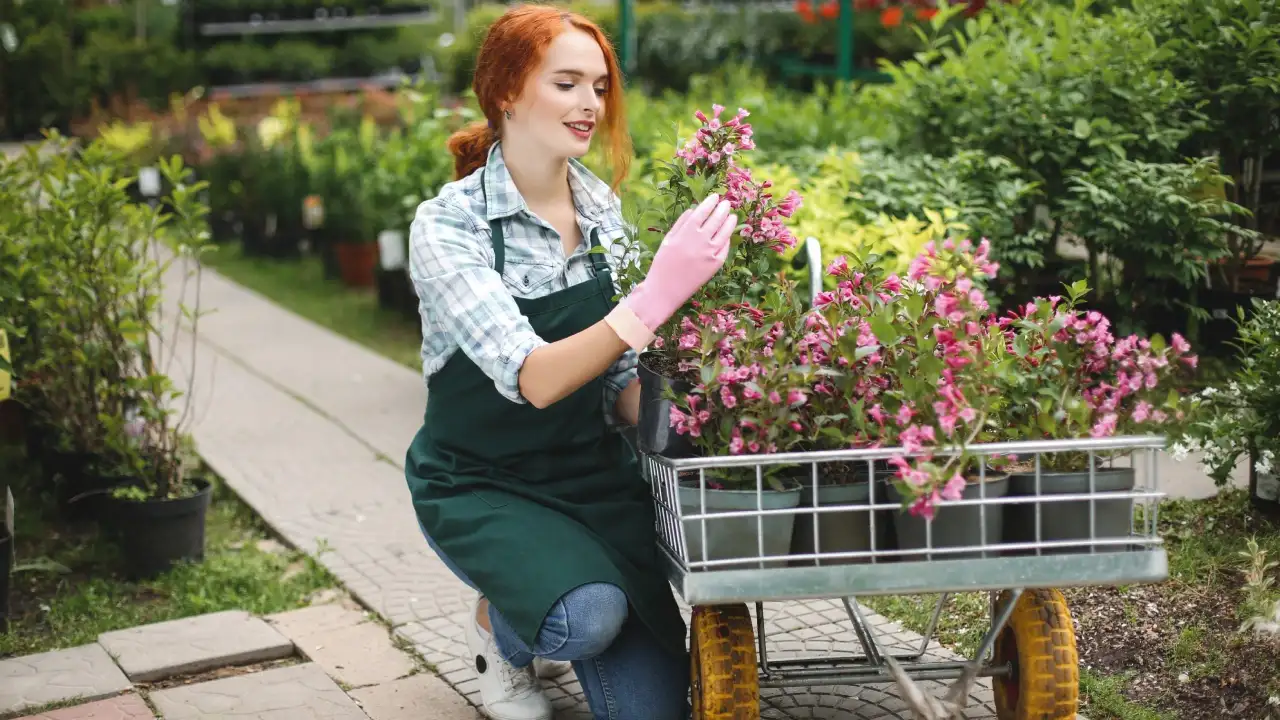
When you think of TreeLeftBigShop outdoor gardening, you might picture a thriving backyard filled with lush plants, vibrant flowers, and healthy trees. This guide will help you unlock the full potential of your outdoor space using proven garden strategies, practical tips, and creative ideas. Whether you’re a beginner or an experienced gardener, TreeLeftBigShop outdoor gardening can transform your garden into a flourishing paradise.
In this comprehensive article, we’ll cover everything from planning your garden layout to choosing the right plants, soil care, pest control, seasonal maintenance, and more. By the end, you’ll have a clear, actionable roadmap to build and maintain a successful outdoor garden.
What Is TreeLeftBigShop Outdoor Gardening?
At its core, TreeLeftBigShop outdoor gardening refers to cultivating plants, trees, vegetables, and flowers in an outdoor environment using quality tools, smart techniques, and sustainable practices. Whether you have a small backyard, a spacious lawn, or a community garden plot, the goal is the same: grow healthy plants that thrive in your location.
Outdoor gardening goes beyond simple planting. It involves:
-
Understanding soil conditions
-
Selecting suitable plant varieties
-
Managing water and nutrients
-
Preventing pests and diseases
-
Pruning and maintenance
With the right steps, outdoor gardening becomes both enjoyable and rewarding.
Why Outdoor Gardening Matters?
Outdoor gardening isn’t just a hobby. It provides real benefits for your health, home, and community:
-
Improves Mental Health
Gardening reduces stress, boosts mood, and increases mindfulness. -
Enhances Physical Fitness
Digging, planting, and pruning strengthen muscles and promote movement. -
Supports Environment
Plants improve air quality, attract pollinators, and reduce carbon footprint. -
Fresh Food at Your Doorstep
Grow your own vegetables and herbs for nutritious meals. -
Boosts Home Value
Beautiful gardens increase curb appeal and property worth.
With TreeLeftBigShop outdoor gardening, you’ll experience all these benefits and more—all while creating a space you love.
Planning Your Outdoor Garden
Great gardens start with a plan. This first step sets the stage for success.
Evaluate Your Space
Before planting:
-
Observe how much sunlight different areas receive.
-
Note shaded spots and high-wind zones.
-
Determine where water access is located.
Most vegetables and flowers need 6–8 hours of sunlight daily. If your area gets less sun, choose shade-tolerant plants.
Draw a Basic Layout
Create a simple sketch of your garden. Mark where each plant will go and leave space for paths and tools. Organize plants by height—tall ones in the back or center and shorter ones around edges.
Know Your Soil
Soil is the foundation of gardening.
Test for:
-
pH levels
Most plants prefer slightly acidic to neutral soil (pH 6–7). -
Drainage
Soil should allow water to pass but not dry too fast.
If your soil isn’t ideal, consider raised beds or containers to control quality.
Choosing the Right Plants
The success of TreeLeftBigShop outdoor gardening depends on picking plants suited to your climate and soil.
Consider Plant Hardiness
Use a plant hardiness map to choose varieties that survive in your zone. Local garden centers can help you find suitable options.
Mix Functional and Decorative
Good outdoor gardens balance:
-
Edibles (tomatoes, peppers, herbs)
-
Ornamentals (roses, marigolds, lilies)
-
Trees and shrubs for structure and shade
Combining different types adds color and keeps the garden interesting.
Soil and Nutrient Essentials
Healthy soil means healthy plants.
Add Organic Matter
Work compost or aged manure into soil to improve:
-
Moisture retention
-
Nutrient availability
-
Earthworm activity
This supports strong root systems and vibrant growth.
Water Smartly
Water deeply and less often to encourage roots to grow downward. Early morning watering reduces evaporation and prevents disease.
Mulch around plants to:
-
Reduce water loss
-
Suppress weeds
-
Keep soil temperatures stable
Dealing with Pests and Diseases
A thriving outdoor garden also means protecting it from threats.
Organic Pest Control
Instead of harsh chemicals, try:
-
Neem oil
-
Insecticidal soaps
-
Beneficial insects like ladybugs and lacewings
These keep pests in check without harming your garden ecosystem.
Disease Prevention
To limit fungal problems:
-
Avoid overhead watering
-
Provide good plant spacing
-
Remove diseased leaves promptly
Healthy soil and proper care reduce the chance of disease.
Pruning and Maintenance
Routine care keeps your outdoor garden neat and productive.
Why Pruning Matters?
Pruning:
-
Encourages new growth
-
Improves air circulation
-
Prevents overcrowding
Trim dead or damaged branches and shape plants as needed.
Seasonal Maintenance
Different seasons require different tasks:
-
Spring: Plant new seeds, amend soil
-
Summer: Water consistently, remove weeds
-
Fall: Harvest crops, mulch beds
-
Winter: Protect roses and tender plants
A seasonal checklist helps you stay organized.
Outdoor Garden Ideas for Every Space
Whether you have limited space or a large yard, you can apply these creative ideas:
Raised Bed Garden
Raised beds improve drainage and make soil easier to manage. They’re ideal for veggies and herbs.
Vertical Garden
Use trellises, wall pockets, or hanging baskets to grow climbing plants and save ground space.
Companion Planting
Place plants that benefit each other nearby—for example, basil next to tomatoes improves flavor and reduces pests.
Fruit Trees and Shrubs
Add structure with dwarf fruit trees or berry bushes for long-term harvests.
Sustainable Outdoor Gardening Practices
Sustainability supports both your garden and the planet.
Capture Rainwater
Set up rain barrels to collect water for irrigation. This reduces waste and saves money.
Reuse and Recycle
Turn kitchen scraps into compost and repurpose containers for planting.
Support Pollinators
Plant nectar-rich flowers like coneflowers and lavender. Bees and butterflies help plants thrive.
Creating a Garden Calendar
A garden calendar helps you stay on top of tasks:
| Season | Tasks |
|---|---|
| Spring | Plan layout, sow seeds, amend soil |
| Summer | Water deeply, mulch, harvest early crops |
| Fall | Collect seeds, tidy beds, mulch for winter |
| Winter | Plan next year, care for tools |
Writing your own calendar based on local weather ensures better results.
Tools Every Outdoor Gardener Needs
Good tools make gardening easier:
-
Gloves for protection
-
Hand trowel for planting
-
Pruners for trimming
-
Watering hose/sprinkler
-
Wheelbarrow for hauling soil
Invest in quality tools—they last longer and perform better.
Troubleshooting Common Garden Challenges
Even experienced gardeners face problems. Here’s how to fix them:
Problem: Yellowing Leaves
Possible causes:
-
Overwatering
-
Nutrient deficiency
-
Poor soil
Solution: Check soil moisture and test nutrients.
Problem: Stunted Growth
Check:
-
Sunlight availability
-
Root space
-
Soil health
Adjust conditions or transplant if needed.
Benefits of a Thriving Outdoor Garden
When your TreeLeftBigShop outdoor gardening efforts pay off, you’ll enjoy:
-
Homegrown produce
-
Relaxing outdoor space
-
Improved property beauty
-
Pride in your accomplishments
Gardening isn’t just physical work—it’s a lifestyle that rewards you year after year.
Final Thoughts
Outdoor gardening doesn’t have to feel overwhelming. With a solid plan, the right plants, routine care, and a love for growth, TreeLeftBigShop outdoor gardening can become your favorite hobby—and a source of delicious food and serene beauty. Start small, learn as you go, and enjoy every moment in your garden.
In conclusion, TreeLeftBigShop outdoor gardening offers endless opportunities for creativity, health, and joy. Whether you grow flowers, vegetables, or trees, your efforts can transform your outdoor space into something truly special.