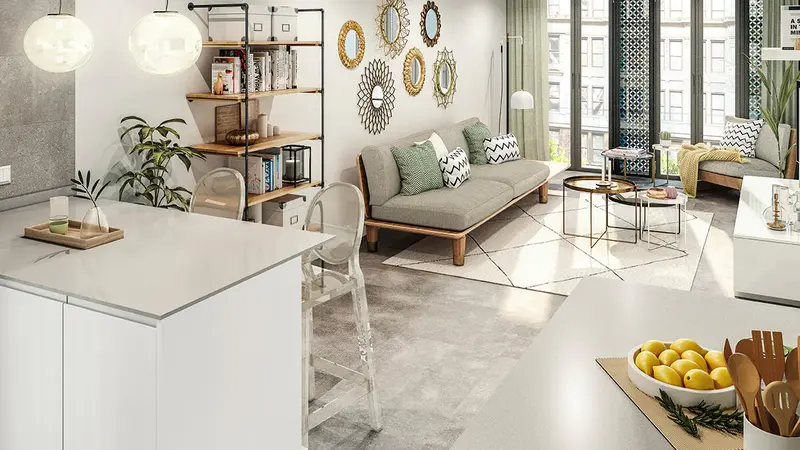
Redesigning a living room in the UK means balancing aesthetic appeal with practical functionality. British homes come with specific quirks, from chilly winter drafts and low natural light during gray afternoons to awkward Victorian alcoves and compact modern floor plans. Finding fresh lounge ideas UK homeowners can actually adapt to these spaces makes all the difference between a picture-perfect room and a comfortable living space.
Current interior movements in the UK focus on character, warmth, and multi-functional design. Below are ten practical, trending ideas to help you refresh your living room, complete with layout strategies, color advice, and common pitfalls to avoid.
1. Earthy Color Drenching for North-Facing Rooms
Cool grays and stark brilliant whites are fading out of British living rooms. Instead, color drenching using rich, warm earth tones has taken over. This technique involves painting the walls, skirting boards, radiator, window frames, and even the ceiling in the same shade or subtle tonal variations of one rich hue.
Deep terracotta, muted olive green, warm ochre, and chocolate brown work exceptionally well in UK homes. In north-facing rooms where daylight is weak and blue-toned, cool paints end up looking flat and dingy. Embracing deep, warm tones turns low light into an asset by creating an enveloping, cozy atmosphere after dark.
To execute this properly without feeling claustrophobic, pick a flat matte finish for the walls and ceiling, paired with an eggshell finish on the woodwork. Removing the stark white contrast of traditional skirting boards blurs the edges of the room, making small spaces feel larger.
2. Bespoke Media Walls with Concealed Storage
The television remains the focal point of many living rooms, but exposed cables, set-top boxes, and bulky stands quickly clutter the space. Custom media walls built around chimney breasts or full flat walls offer a clean, streamlined alternative.
Instead of just mounting a screen, current trends combine a media wall with a slimline electric fire cassette and integrated alcove storage.
Keep these practical points in mind during installation:
-
Position the television at eye level when seated. Mounting a screen too high above a mantle causes neck strain over time.
-
Build hidden conduit piping into the stud wall before plastering so you can thread cables easily when upgrading electronics later.
-
In corporate or rented flats where building a stud wall is impossible, look for modular floating shelving units with built-in cable management channels.
3. Layered Ambient Lighting Below Eye Level
Relying on a single central pendant light is one of the most common lighting mistakes in British lounge design. Central overhead lights cast long, harsh shadows across seating areas and create a sterile atmosphere.
Modern lounge layouts rely on a three-tier lighting structure that stays mostly below eye level in the evening:
-
Task lighting: An adjustable floor lamp positioned behind a reading chair or next to the main sofa.
-
Accent lighting: Soft LED strip lighting hidden inside alcove shelving, behind TV units, or under floating cabinets to highlight architectural depth.
-
Mood lighting: Table lamps with warm fabric shades placed on sideboards, consoles, and side tables.
Always choose warm white LED bulbs with a color temperature of 2700K or lower. Higher Kelvin ratings produce a cool blue light that feels clinical rather than inviting.
4. Tactile Fabric Blends and Boucle Upholstery
Tactile textures play a major role in adding depth to a lounge without adding physical clutter. The trend of buying matching three-piece suites in a single plain fabric is disappearing. Mixing textures creates a far richer, more considered look.
Pair a structured leather or dark velvet armchair with a boucle, corduroy, or textured wool sofa. Layer heavy linen curtains over sheer voiles, and add chunky knit or brushed mohair throws across the seating.
If you have pets or young children, treat boucle and velvet fabrics with stain-resistant coatings, or opt for high-durability performance weaves with a high rub count.
5. Built-In Alcove Libraries and Window Seats
Unused alcoves around Victorian or Edwardian chimney breasts often end up as dead space. Building floor-to-ceiling shelving transforms these recesses into functional home libraries while adding personal character to the room.
To maximize alcove space effectively:
-
Install closed cupboard doors on the bottom section up to waist height. This hides board games, router equipment, and general clutter out of sight.
-
Use the open shelves above for books, framed art, and decorative ceramics.
-
If your lounge features a bay window, consider building a low window bench with a lift-up lid inside the arch. It adds subtle hidden storage and extra seating when guests visit.
6. Zoning Open-Plan Living Spaces with Large Rugs
Open-plan kitchen, dining, and living layouts are popular in modern UK homes, but without clear boundaries, the lounge area can feel lost in the middle of a large room. Creating clear functional zones keeps the living area distinct.
The most effective way to anchor a lounge zone is with a properly proportioned area rug. A common mistake is selecting a small rug that floats in the middle of the coffee table.
Ensure the rug is large enough so that at least the front legs of the sofa and side armchairs sit directly on top of it. This visually binds the furniture pieces into a single, cohesive seating zone. You can further define the boundary by placing a low console table behind an island-positioned sofa.
7. Biophilic Touches and Natural Timber Elements
Integrating natural materials helps connect indoor spaces with outdoor greenery, which is especially welcome during long winter months. Raw oak, walnut, stone, terracotta, and indoor foliage soften hard edges and bring vitality to a lounge.
Introduce warm wood tones through a solid coffee table, floating oak shelves, or parquet flooring. Pair these timber accents with indoor plants that thrive in UK climate conditions, such as:
-
Monstera Deliciosa (Swiss Cheese Plant): Handles indirect light well and grows large leaves that fill empty corners.
-
Sansevieria (Snake Plant): Very low maintenance and tolerates low-light rooms.
-
Epipremnum Aureum (Devil’s Ivy): Cascades beautifully from high alcove shelves or mantelpieces.
8. Paneling and Picture Rail Restorations
Wall paneling remains a favored architectural feature across both period properties and modern builds. It adds immediate texture, character, and visual structure to plain plaster walls.
In older properties with high ceilings, restoring original picture rails and adding traditional wainscoting on the lower third of the wall protects high-traffic areas from scuffs while preserving period charm.
For modern homes with lower ceiling heights, floor-to-ceiling vertical slat paneling or full-board wall shaker paneling adds height by drawing the eye upward. Painting the paneling in a rich shade creates an instant accent wall without needing complex wallpaper patterns.
9. Multi-Functional Furniture for Compact Spaces
Space is often at a premium in UK urban homes and townhouses. Selecting smart, adaptable furniture allows small lounges to function efficiently without feeling cramped.
Consider these functional furniture swaps:
-
Storage Ottomans: Replace a hard-edged coffee table with a soft, upholstered storage ottoman. It works as a footrest, extra seating, and hidden storage for blankets or toys. Place a wooden tray on top to hold drinks securely.
-
Nest Tables: Choose slim nesting side tables that slide neatly beneath one another when not in use and pull out easily when hosting guests.
-
Modular Sofas: Look for sectional seating with reversible chaises or hidden storage compartments inside the seat bases.
10. Curated Gallery Walls with Mixed Frames
A blank wall can make a living room feel incomplete and uninspired. A curated gallery wall introduces personality, color, and story to the space.
Rather than buying uniform, mass-produced print sets, mix different artistic mediums to build an authentic collection over time:
-
Combine black-and-white family photographs, original line drawings, vintage travel posters, and textured canvas pieces.
-
Use a mix of frame finishes, such as slim black metal, natural oak, and antique gold, to keep the arrangement organic rather than staged.
-
Lay the entire gallery layout flat on the floor first to test spacing before driving nails into the wall. Keep a consistent gap of 5 to 8 cm between frame edges to maintain visual balance.
Essential Practical Rules for UK Lounge Upgrades
-
Leave clear radiator gaps: Avoid placing large, heavy sofas directly against radiators. Leaving a gap of at least 15 to 20 cm allows warm air to circulate freely throughout the room rather than trapping heat behind the sofa cushion frame.
-
Insulate window treatments: Drafty single-glazed timber sash windows let heat escape rapidly during winter. Pair thin blinds with thick, thermal-lined velvet or heavy wool drapes to hold heat inside and reduce energy bills.
-
Measure before buying: Standard UK door frames are narrower than many modern sofa designs. Always check diagonal depth measurements on large furniture items to ensure they can pass through hallways and doorways smoothly during delivery.
Conclusion
Transforming your living space comes down to choosing design choices that align with your home’s layout, lighting, and daily routines. Whether you choose to drench a dark north-facing room in warm earth tones, build custom alcove storage, or layer ambient lighting below eye level, focus on balancing comfort with practical functionality. Start by identifying the primary challenge in your current room—whether it is cold drafts, poor lighting, or lack of storage—and implement one or two targeted upgrades to create a space you enjoy spending time in every day.